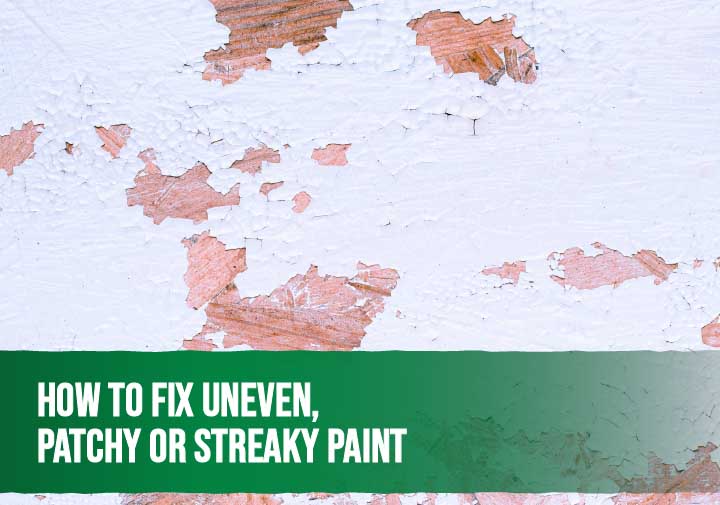
Painted a wall, and it looks wrong? You are not alone. Knowing how to fix uneven paint is one of the most common problems homeowners face after a DIY job. The good news is that most causes are easy to understand, and most fixes are simple to carry out.
Why Paint Dries Unevenly (Common Causes)
Paint does not always dry the way you expect. Several things cause patchy paint on walls.
- You skipped the primer. Bare or repaired surfaces soak up paint at different rates. Without primer, you get dark and light patches.
- The surface was dirty or glossy. Paint does not stick well to grease, dust, or shiny surfaces. It pulls away and creates thin spots.
- You used too little paint. A thin coat shows the wall beneath it. This makes the finish look see-through and uneven.
- You painted in the wrong conditions. Direct sunlight or high heat dries paint too fast. This stops it from spreading and bonding properly.
- You used a low-quality roller or brush. Cheap tools leave marks, fibres, and uneven texture behind.
- The paint was not mixed properly. Pigments settle at the bottom. Unmixed paint gives you colour differences across the wall.
- You changed batches mid-wall. Even the same colour from two different tins can vary slightly. Always mix tins together before you start. This is called boxing the paint, and it keeps the colour consistent from start to finish.
How to Fix Patchy Walls Step by Step
Follow these steps, and you will get a much better result.
Step 1: Let the paint dry fully.
Do not try to fix wet paint. Wait at least 24 hours before touching anything.
Step 2: Sand the patchy areas lightly.
Use fine-grit sandpaper (180 to 220 grit). Sand in a circular motion. This smooths the rough texture and helps the next coat stick.
Step 3: Wipe the wall down.
Use a damp cloth to remove all dust. Let it dry before painting.
Step 4: Apply a coat of primer.
This step is critical. Primer creates an even base. It stops the wall from drinking up your paint unevenly. Use a water-based primer for most interior walls.
Step 5: Apply a fresh coat of paint.
Use a good roller. Load it evenly and roll in a W pattern. Keep a wet edge as you go. Do not stop and start in the middle of a wall.
Step 6: Add a second coat if needed.
Most paint jobs need two coats for full, even coverage. Let the first coat dry fully before applying the second.
Step 7: Check the finish under different lighting.
Once the second coat dries, use a side light or torch to check for any remaining patches. Hold the light at an angle to the wall. This shows up thin spots that look fine under normal room lighting. Touch those areas up before calling the job done.
Avoiding Flashing, Lap Marks, and Roller Streaks
Streaky paint is often caused by poor technique. Here is how to avoid it.
Work in sections. Paint one wall at a time. This keeps edges wet and blends in better.
Do not overwork the paint. Roll it on and leave it. Going back over paint that has started to dry causes streaks.
Use the right nap for your roller. Smooth walls need a short nap (6mm to 10mm). Textured walls need a thicker nap (15mm to 19mm).
Keep a wet edge. Lap marks appear when you paint over dried edges. Always overlap into the wet section you just painted.
Avoid direct sunlight when painting. Paint on a calm, shaded day or work in a cool room. Heat dries paint before you get a chance to blend it.
Cut in before you roll. Use a brush to paint a 50mm to 75mm border around edges, corners, and trim first. Then roll the main wall area. This avoids thick brush marks standing out against the rolled sections.
Do not shake the tin. Shaking introduces air bubbles into the paint. Stir it slowly instead. Bubbles in the paint transfer to the wall and create a rough, uneven texture when dry.
You can also look at our interior painting services if you want to understand the kind of preparation and technique that gives a lasting result.
Choosing the Right Paint Finish
The sheen level of your paint affects how even it looks on the wall.
Flat and matte finishes hide imperfections well. They are good for ceilings and low-traffic walls. But they are harder to clean and can show scuff marks.
Eggshell and satin finishes have a slight sheen. They are easier to wipe down. They work well in living rooms, hallways, and bedrooms.
Semi-gloss and gloss finishes are very reflective. They show every bump and imperfection clearly. Use them only on trim, doors, and surfaces that have been prepared very well.
If you are repainting over a gloss surface, you must sand it back first. Applying flat paint over gloss without sanding causes peeling and poor adhesion. The new paint simply will not grip.
Matching the sheen of the existing paint also matters. If you touch up a matte wall with satin paint, the touched-up area will stand out even if the colour matches perfectly.
When to Call a Professional
Some paint problems go beyond a quick fix.
Call a professional painter when:
- The patches keep coming back after multiple coats. This usually points to a moisture or substrate issue beneath the surface.
- The wall has cracks, water damage, or mould. Painting over these will not fix the problem. The underlying issue must be treated first.
- You are painting after a renovation. New plaster and repaired walls need proper sealing and priming. Getting this wrong means wasting time and paint.
- You want a flawless result without the trial and error. A professional applies the right products in the right order. The finish lasts longer and looks better.
Our team at Behsud Painting handles all surface preparation before we touch a brush. We work across Adelaide, and we get the prep right so the finish holds. Check out our commercial painting services to see the standard we bring to every job.
FAQs
Why is my paint patchy after two coats?
The surface was not primed properly, or the paint was applied too thinly. Sand lightly, apply a coat of primer, then repaint with two even coats.
Can I paint over streaky paint without sanding?
You can, but the result will not be as good. Light sanding helps the new coat stick and hides the streaks better.
Why does my paint look darker in some patches?
This is called flashing. It happens when some areas absorb more paint than others. Priming the wall first prevents it.
What is the best roller for smooth walls?
Use a short-nap roller, around 6mm to 10mm. It gives a flat, even finish on smooth interior walls.
How long should I wait between coats?
Wait at least two to four hours between coats for most water-based paints. Always check the paint tin for the manufacturer’s recommendation.
Why does my paint look uneven when dry but fine when wet?
Wet paint reflects light evenly. As it dries, thin spots and texture differences become visible. This is why two coats with proper primer coverage are important.
Does paint sheen affect how patchy a wall looks?
Yes. Gloss and semi-gloss finishes make patches and imperfections far more visible than flat or matte finishes do.
Want a flawless finish the first time? Get a free Adelaide quote from Behsud Painting today.